Enuganta tandri kanna ekulabuttanta talli nayam.
Lines that cut to the very gut. Gogu Shyamala’s stories dissolve the borders of realism, allegory and political fable.

Hyderabad Book Trust
$12

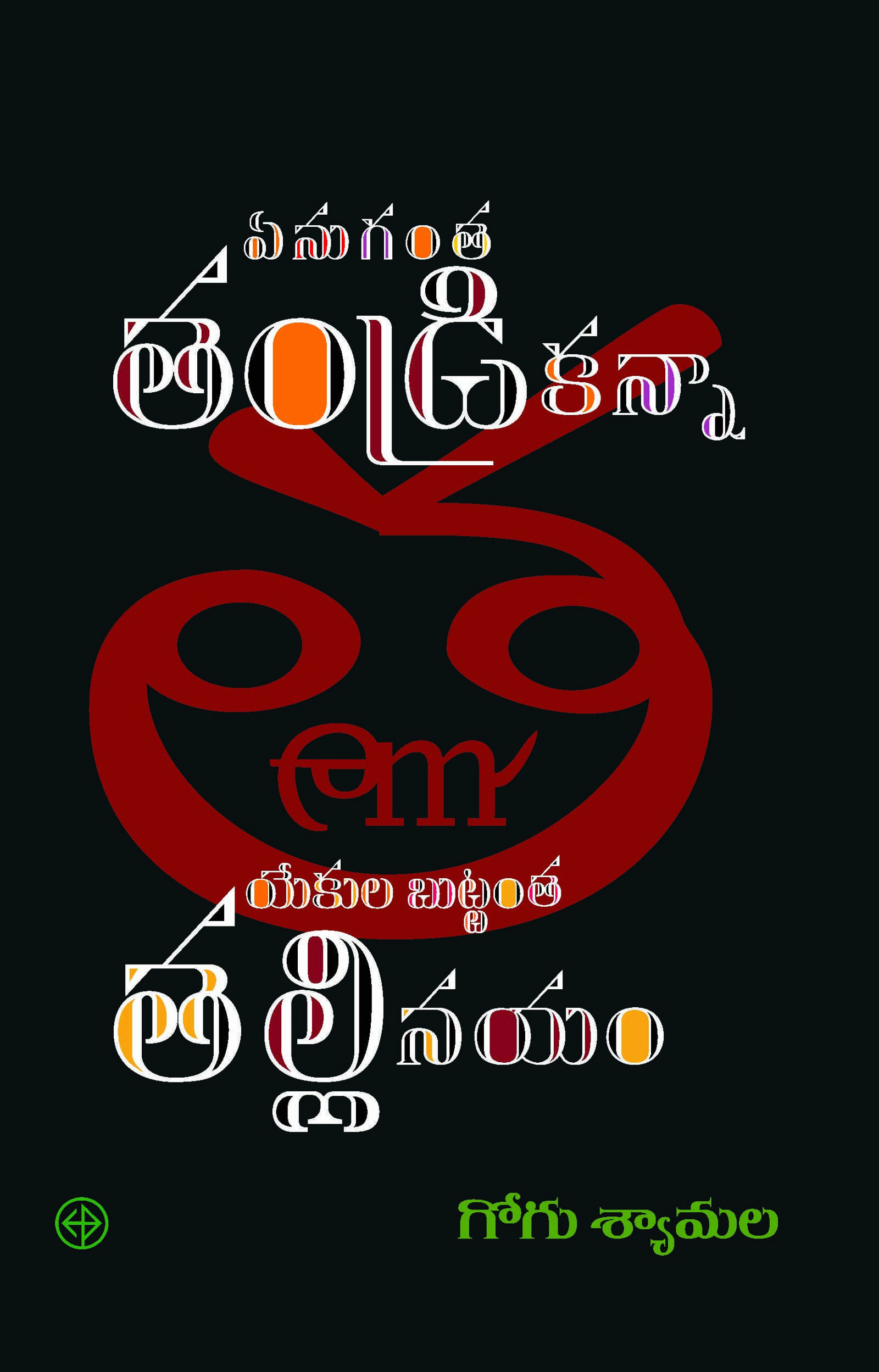
Lines that cut to the very gut. Gogu Shyamala’s stories dissolve the borders of realism, allegory and political fable.
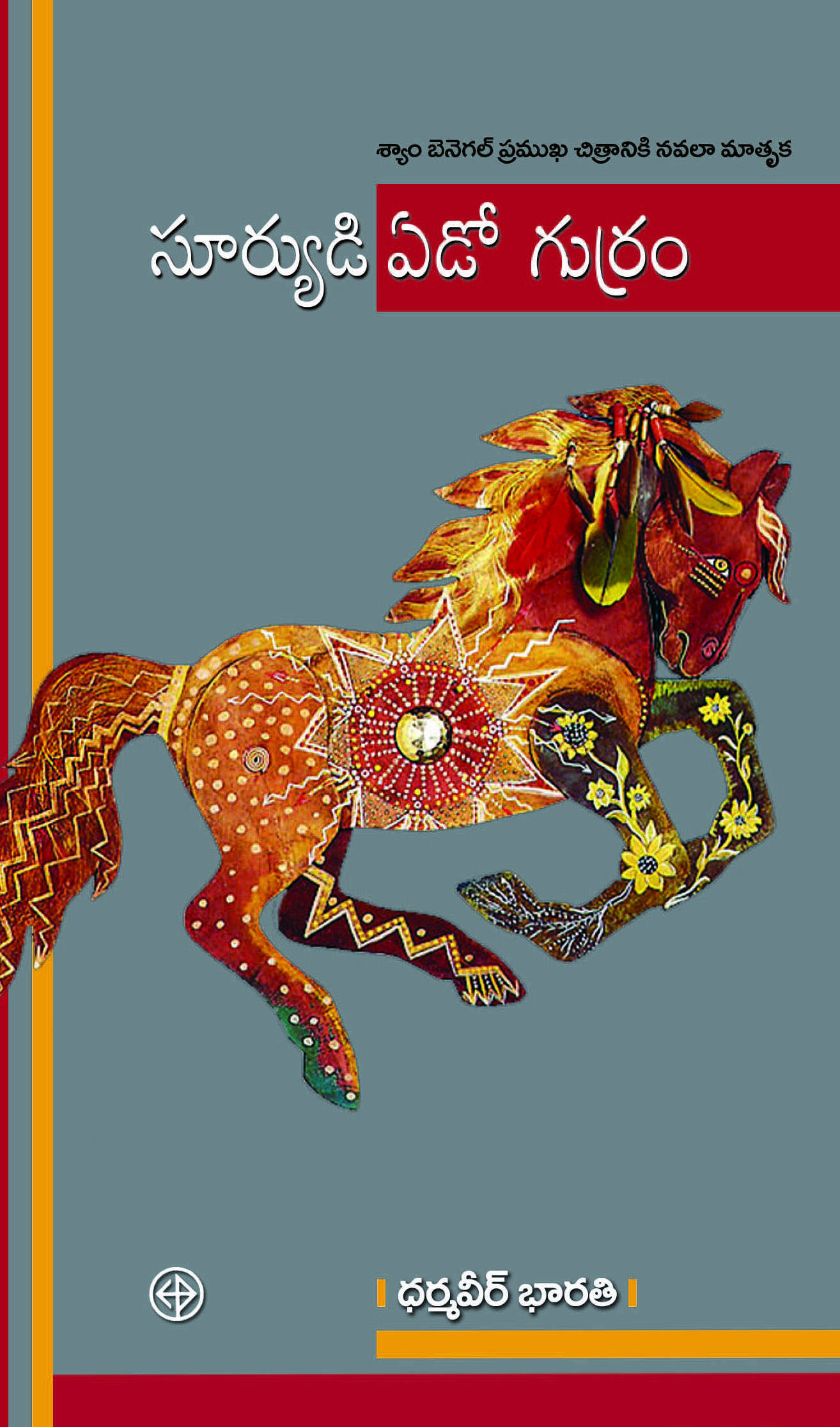
This is an experimental work in first generation Hindi literature.
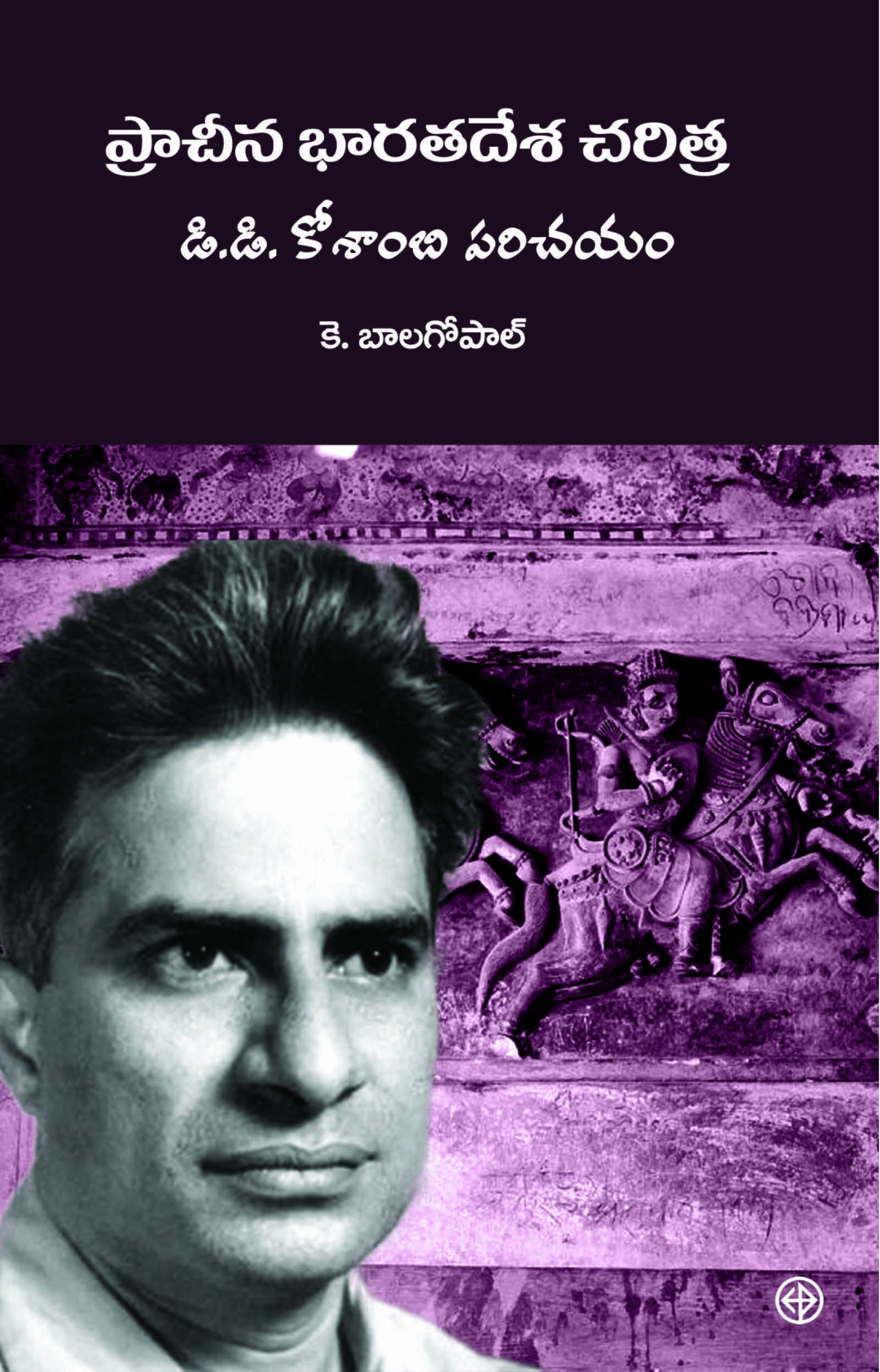
This is a timeless classic in historiography. K.
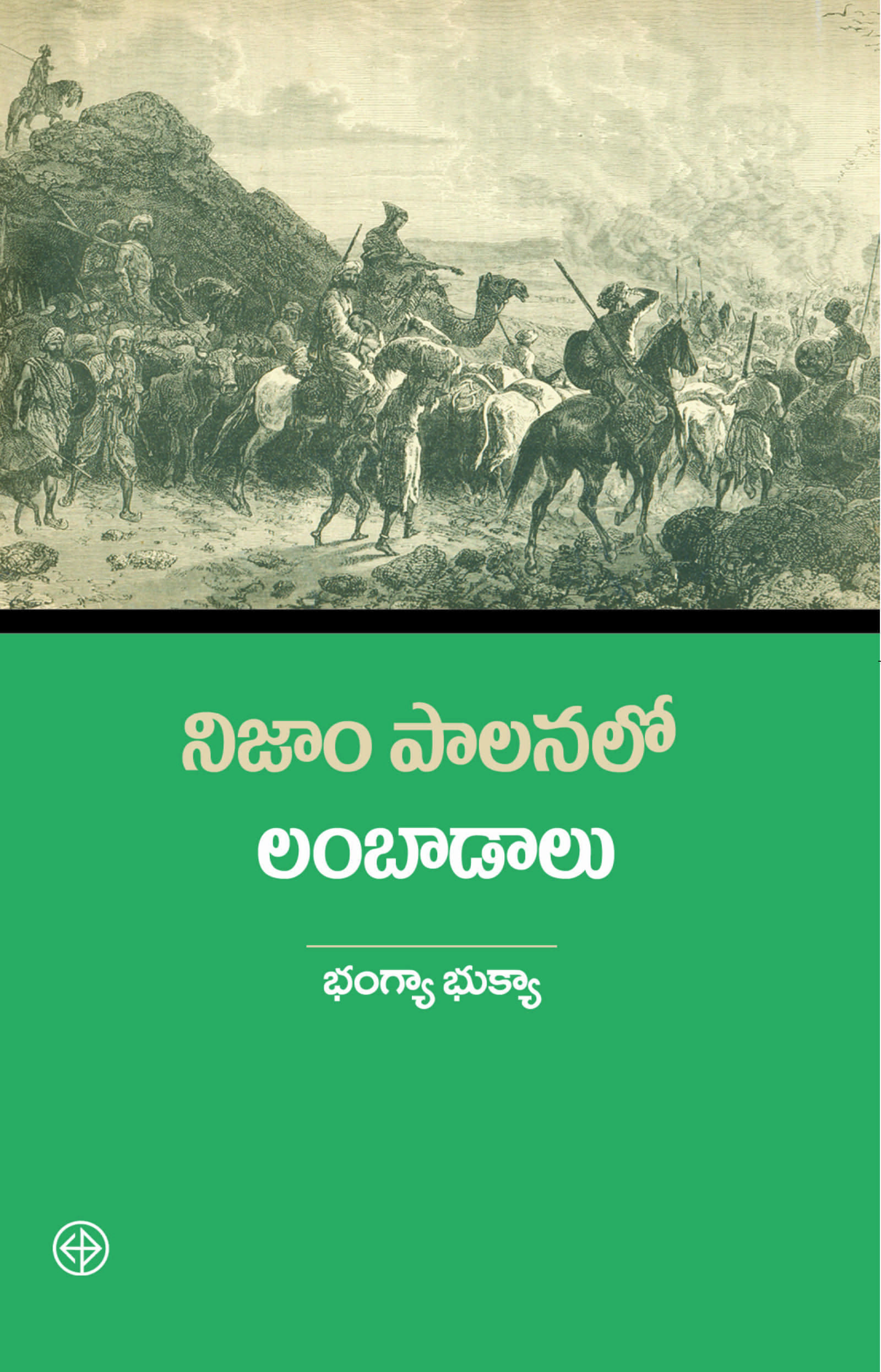
This book traces the historical transition of the Lambada community of Hyderabad State under the Nizams during colonial rule.
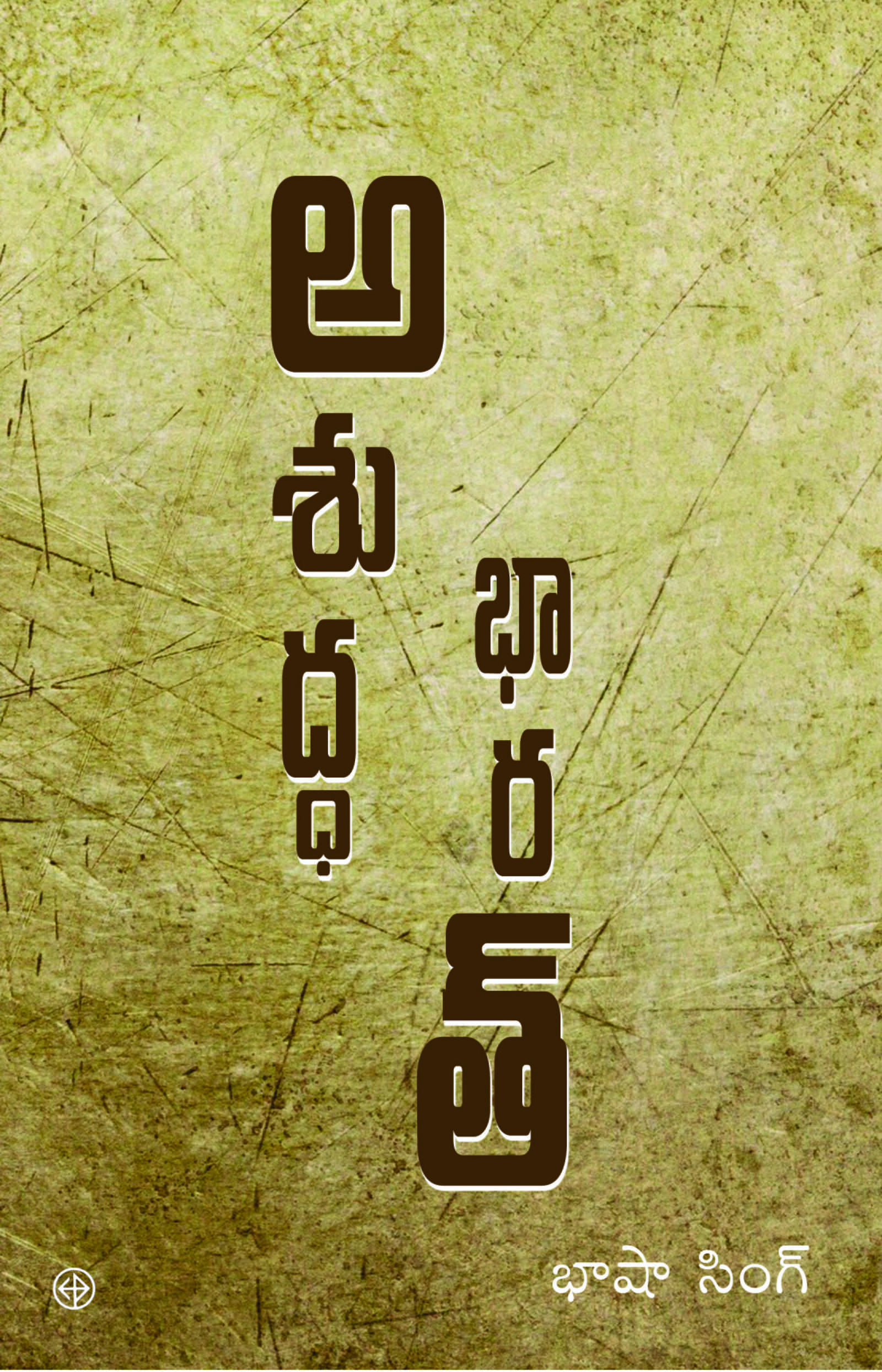
Translated from the English Unseen (which was translated from the Hindi Adrishya Bharat, the book takes us on a tour through India’s hot spots for manual scavenging.
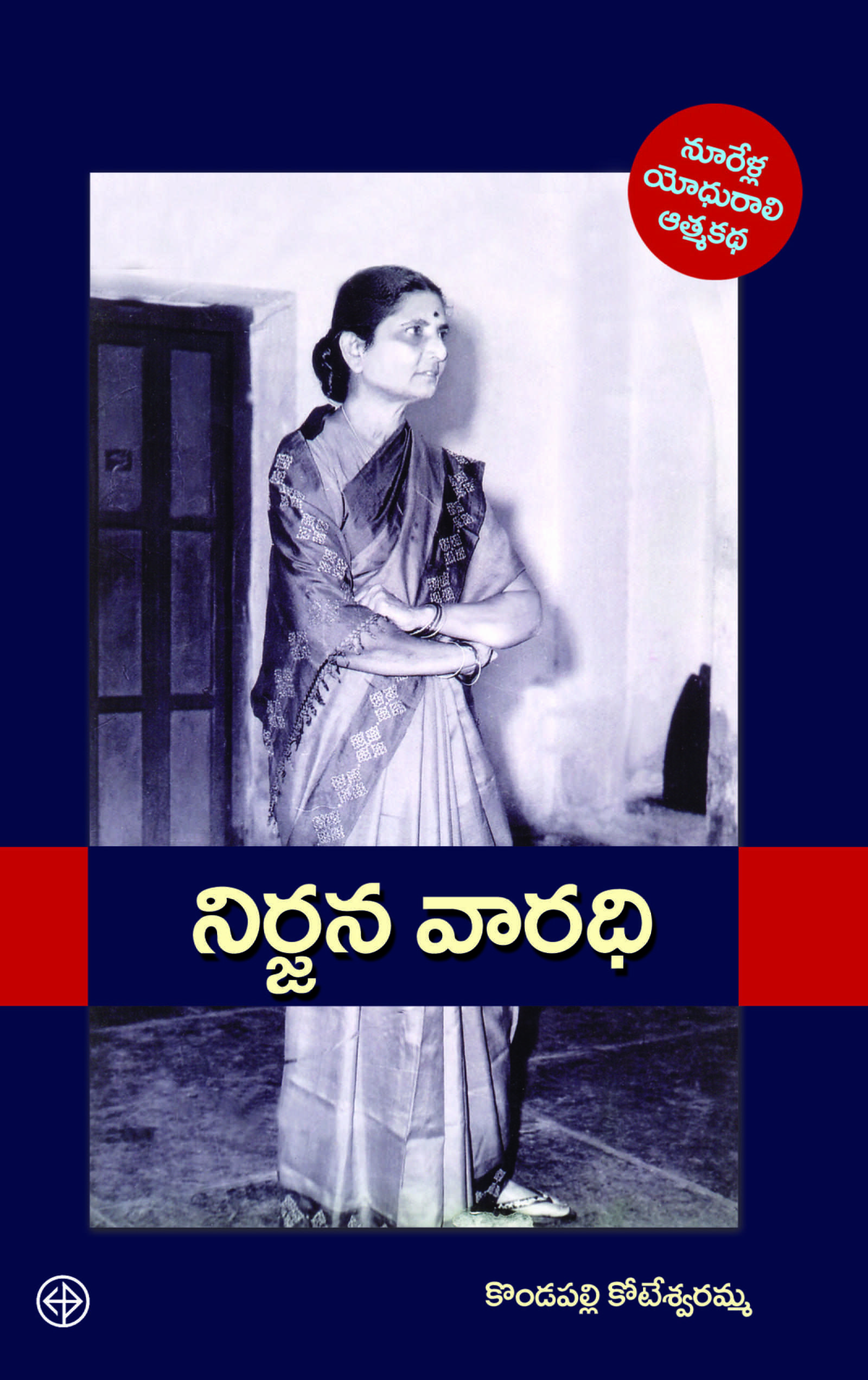
Well-known as the widow of Kondapalli Seetharamaiah (KS), founder of the Maoist movement in Andhra Pradesh, Koteswaramma’s life spans a tumultuous century of the Independence movement, the Communist insurrection and the Naxalite movement in Andhra Pradesh.
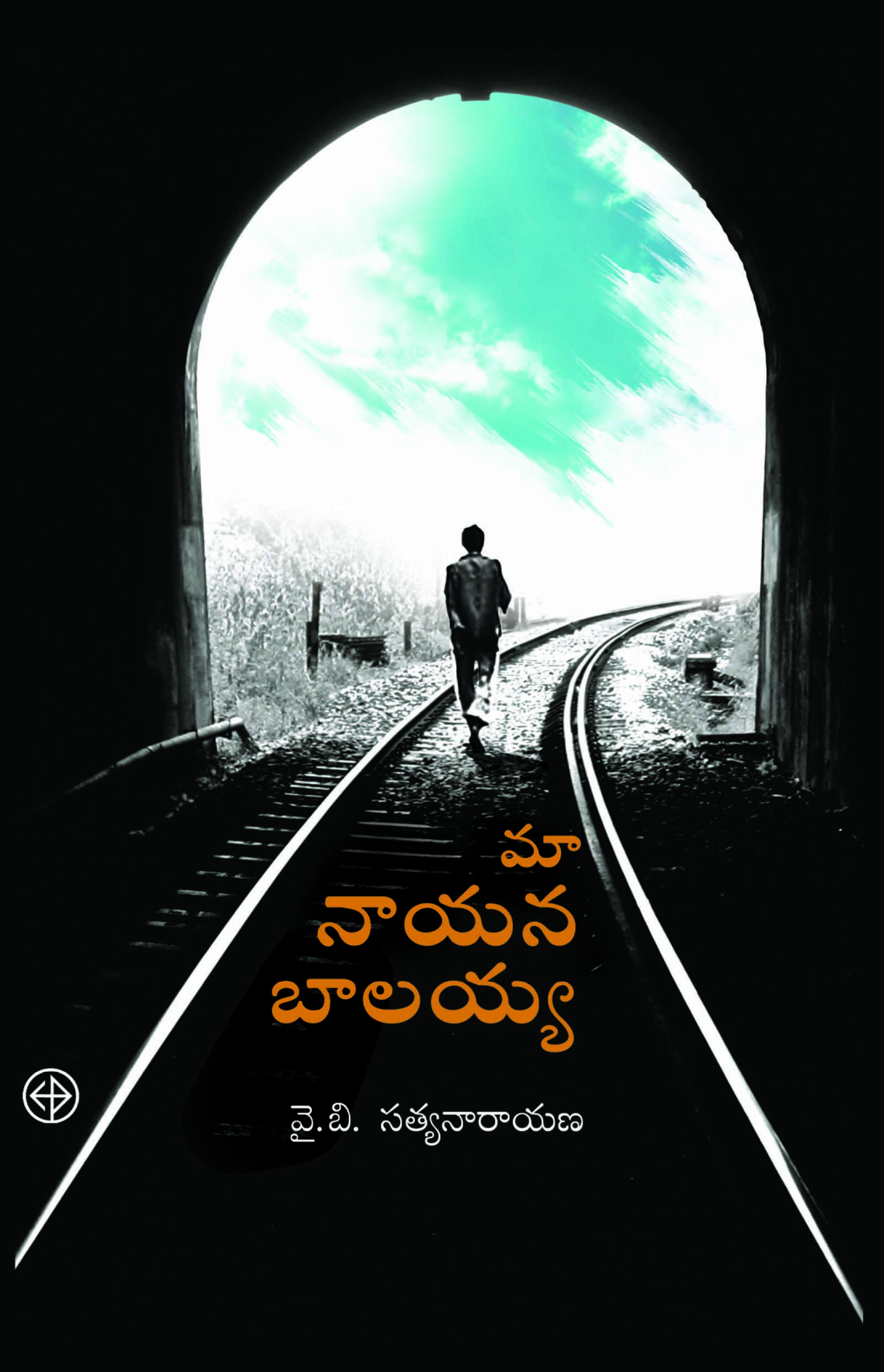
This is the extraordinary narrative of an ordinary story of a Dalit family in southern India.
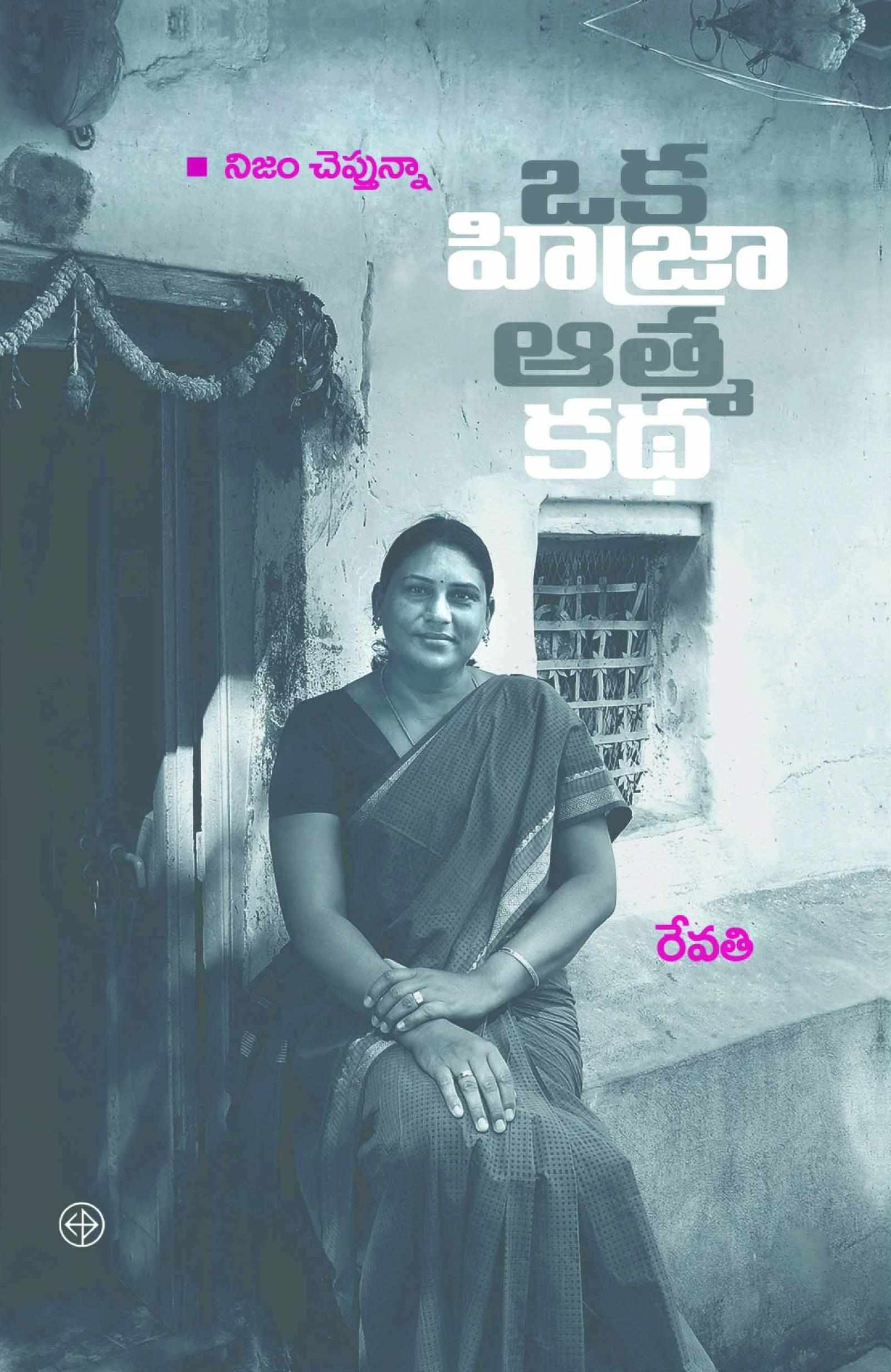
The haunting autobiography of a hijra (eunuch) who fought ridicule, persecution and violence both within her home and outside to find a life of dignity.
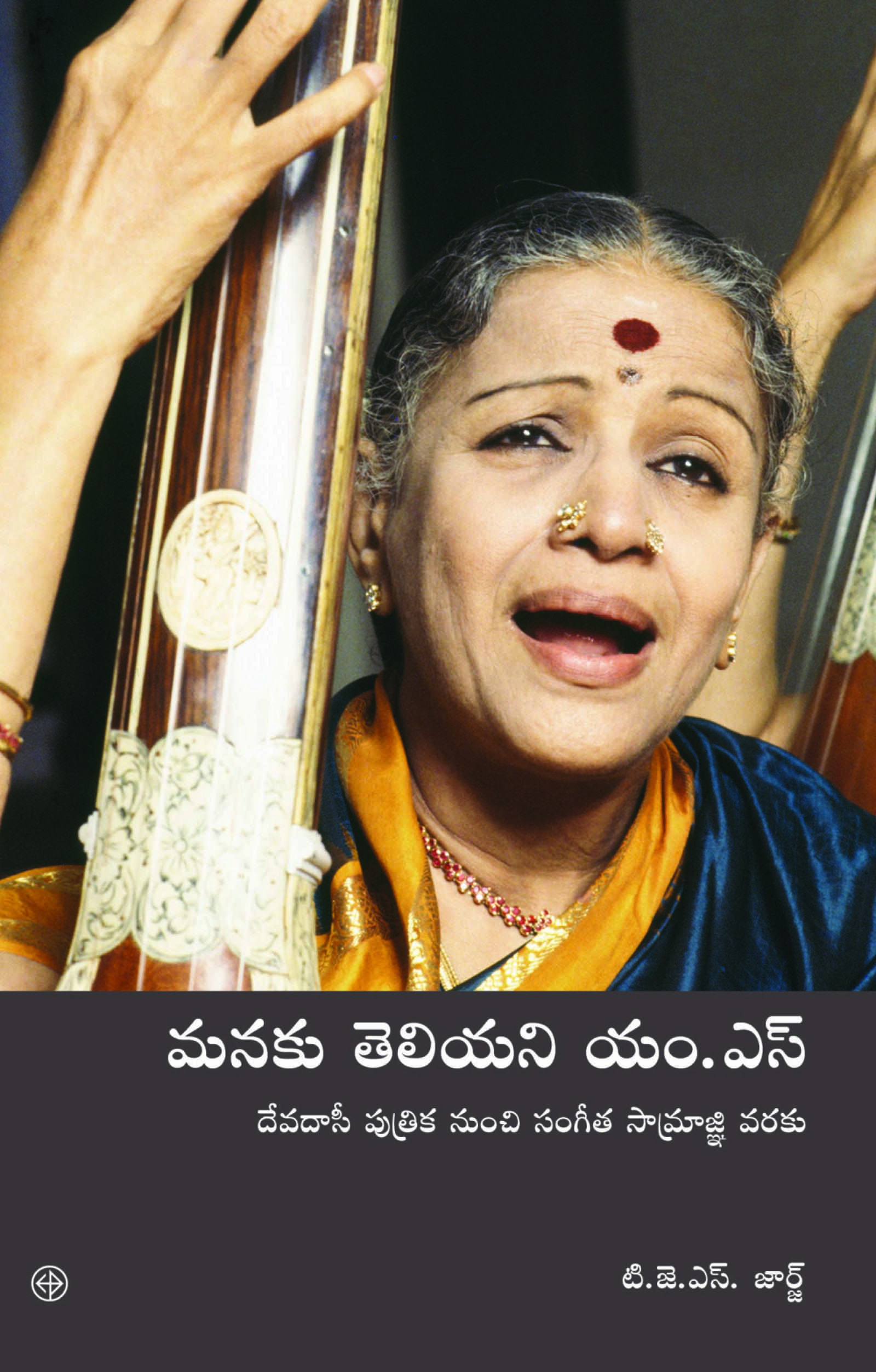
T. J. S.
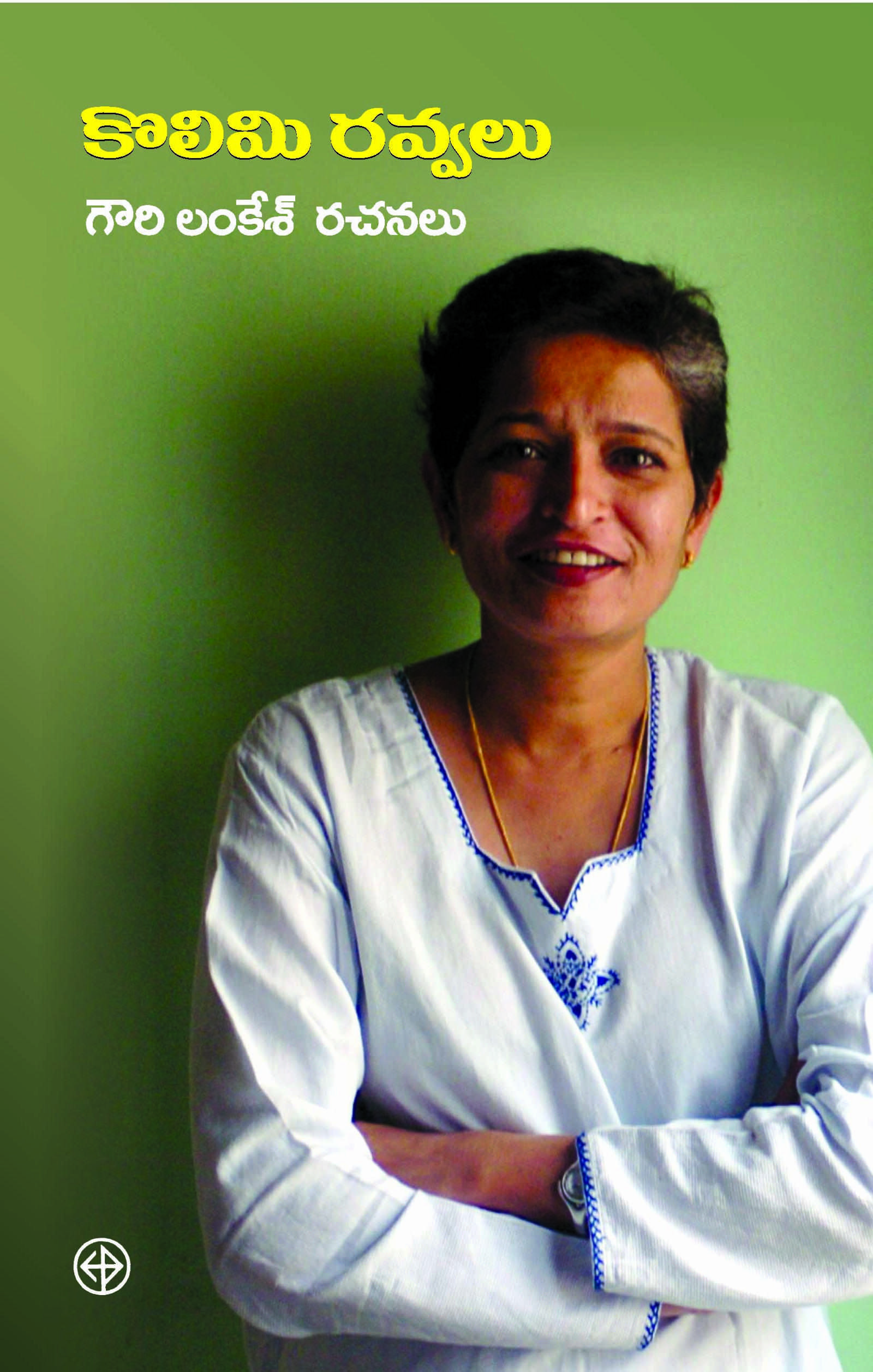
Gauri Lankesh was known for her forthright views and writings on several important public issues. She wrote both in Kannada and Telugu.
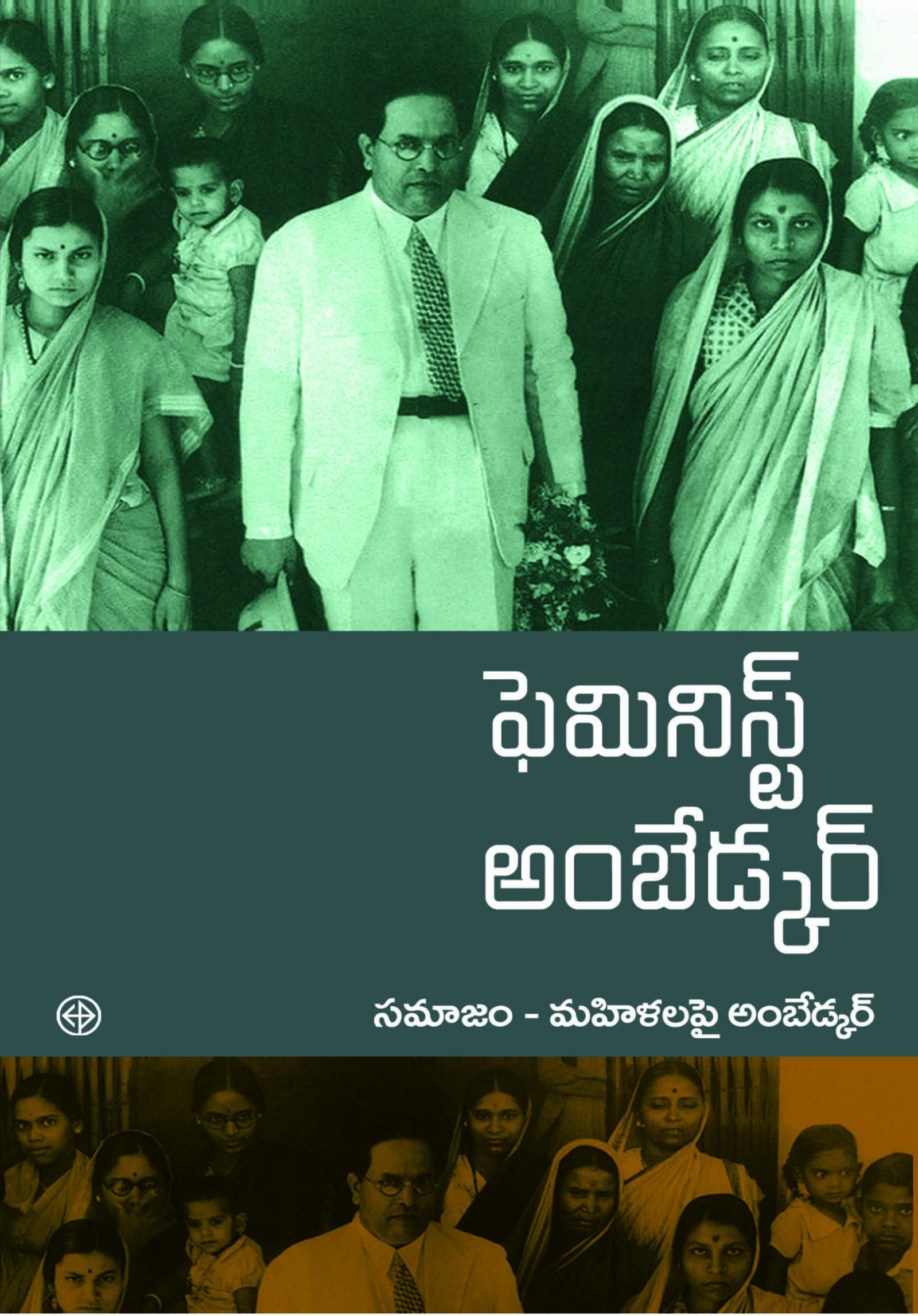
This is the entire collection of Dr. Ambedkar’s writings on women.
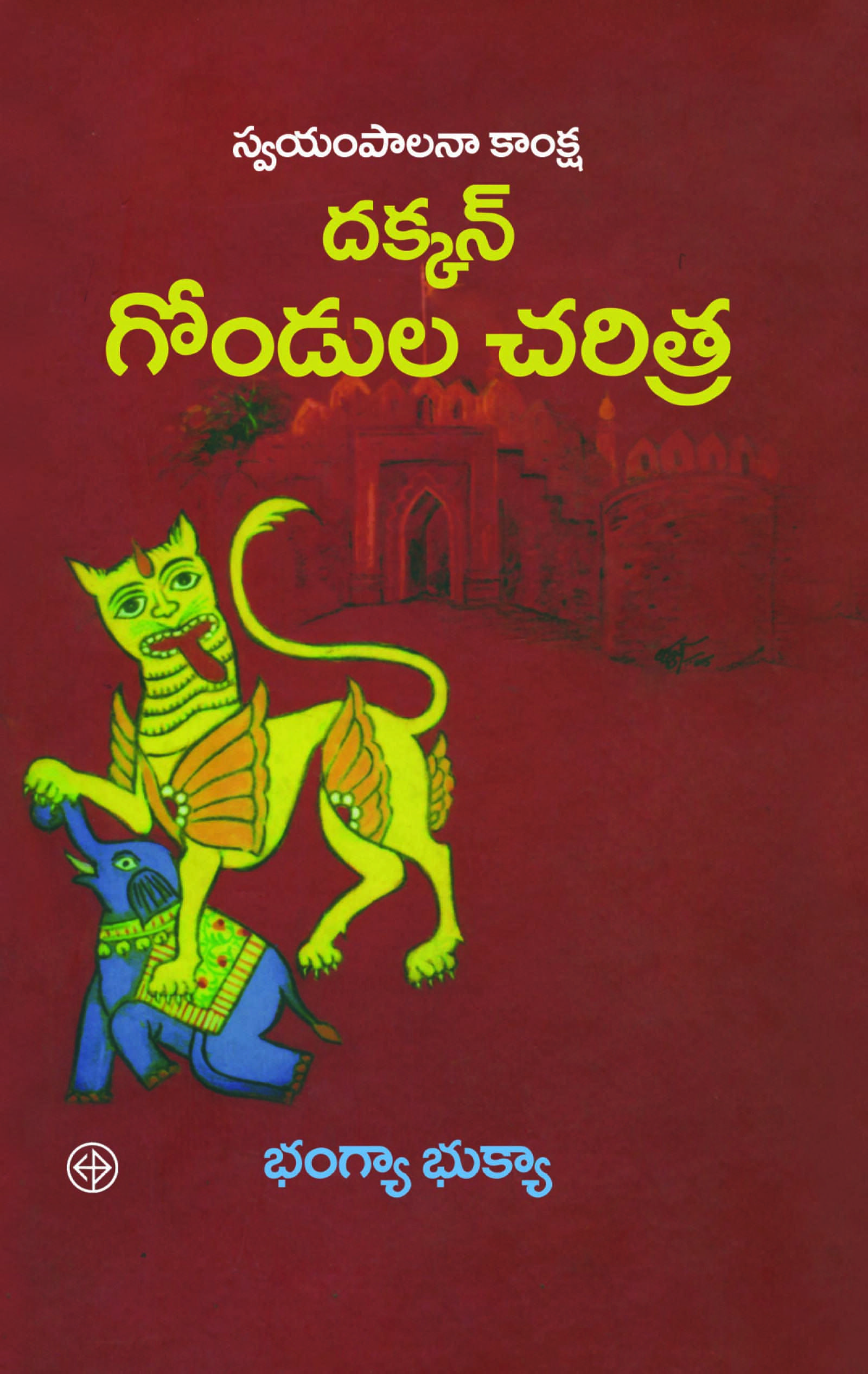
This is a history of the Gond dynasty of the erstwhile Chanda region of Deccan India.
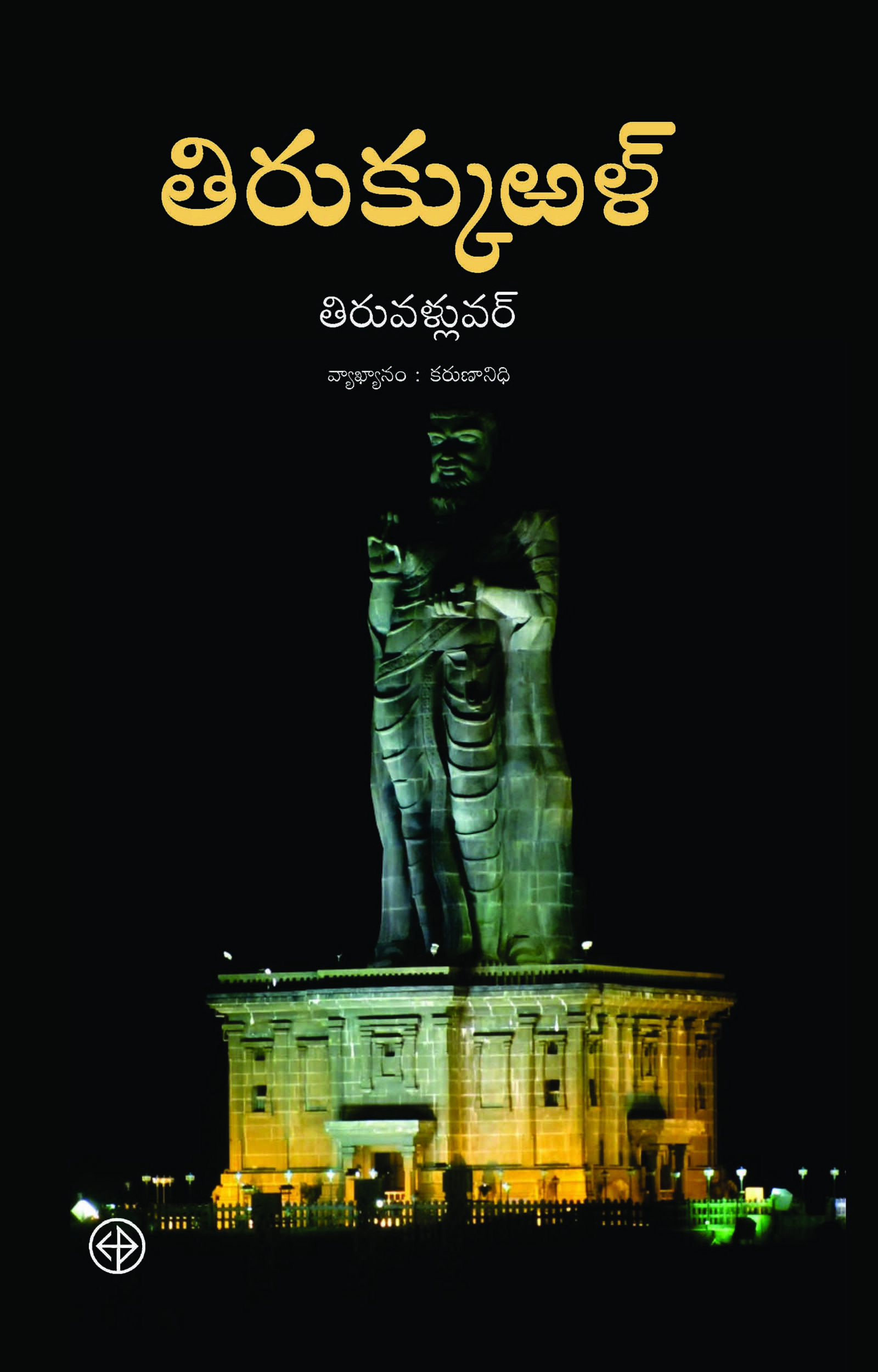
The Tirukkuṟaḷ (meaning sacred verses in Tamil), or shortly the Kural, is a classic Tamil language text consisting of 1,330 short couplets or kurals, of seven words each.
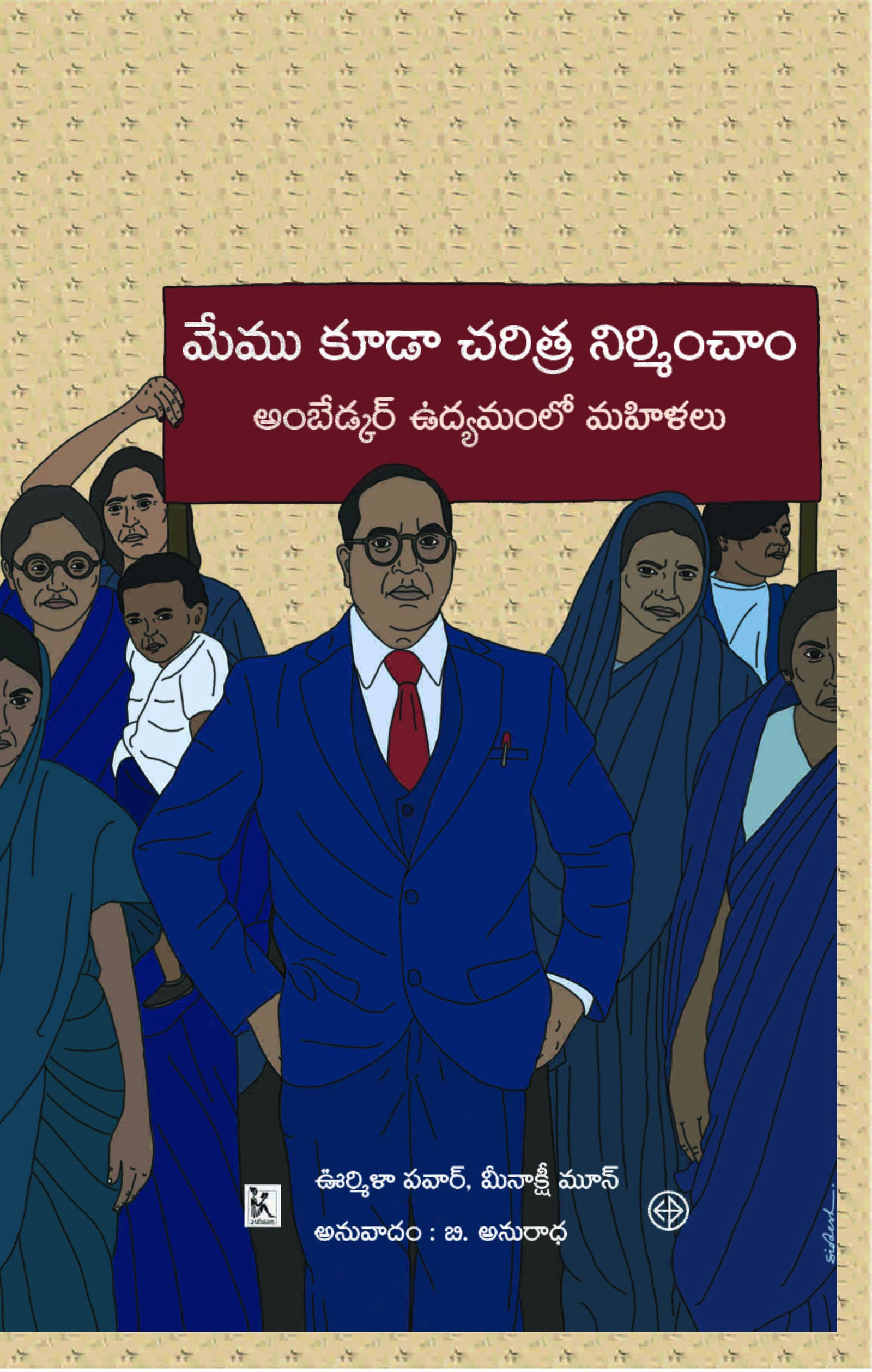
Originally published in Marathi in 1989, this contemporary classic details the history of women’s participation in Dr. B. R.
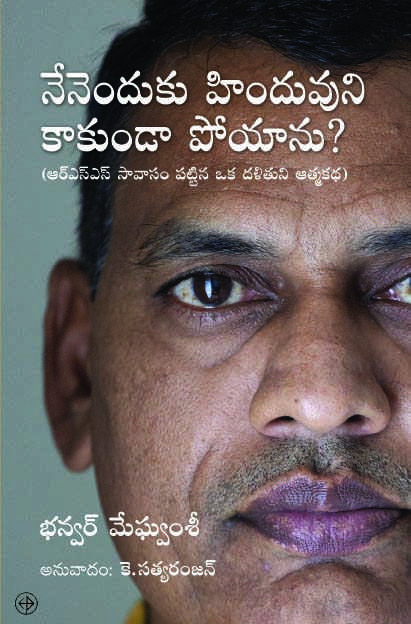
In 1987, as the Ramjanmabhoomi movement gathers momentum, a thirteen-year-old from a village in Rajasthan joins the Rashtriya Swayamsevak Sangh.
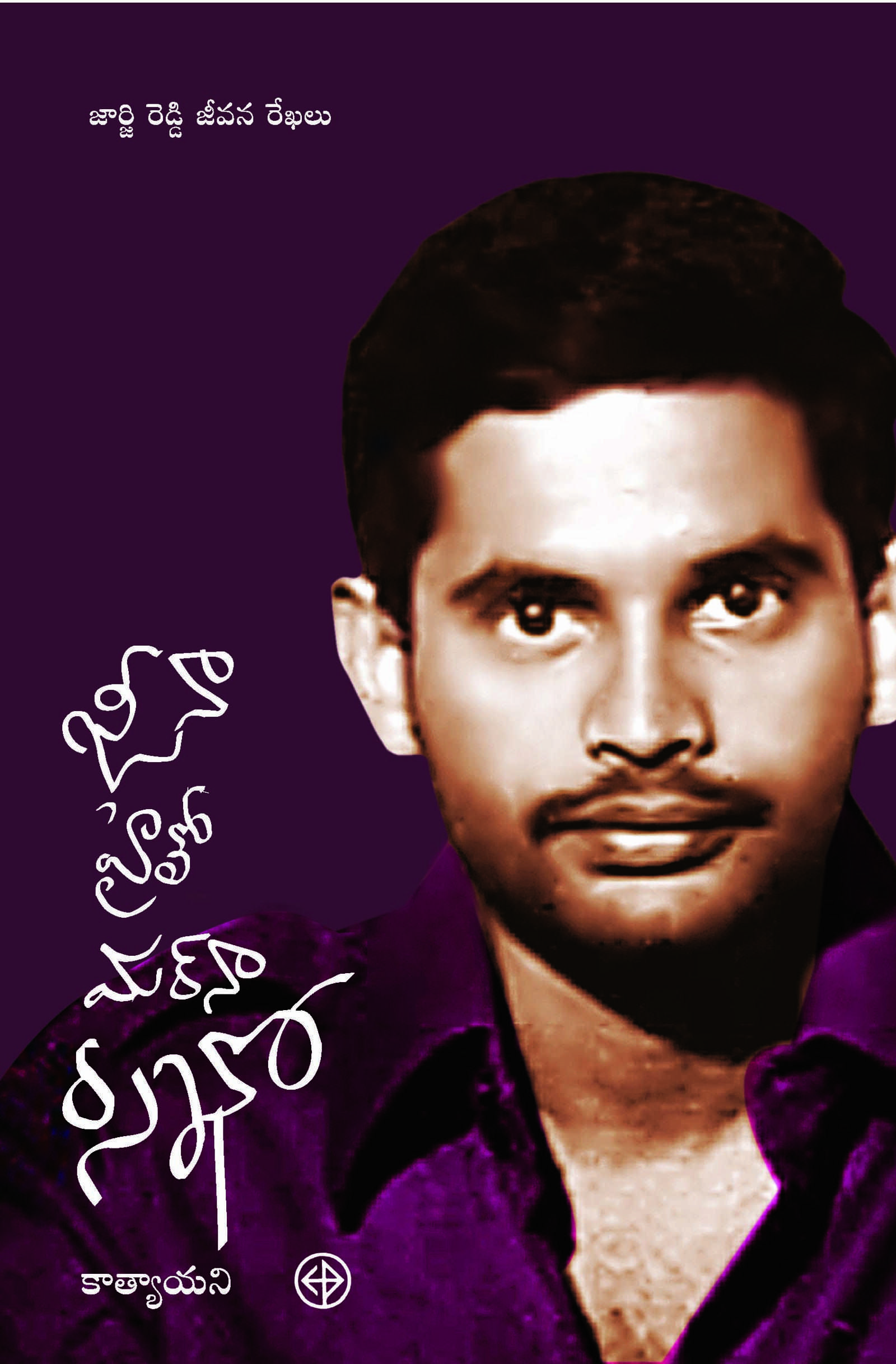
This is the story of a research student in Physics in Osmania University, who led the first student movement in seventies’ India and who strongly opposed social discrimination and economic inequality.
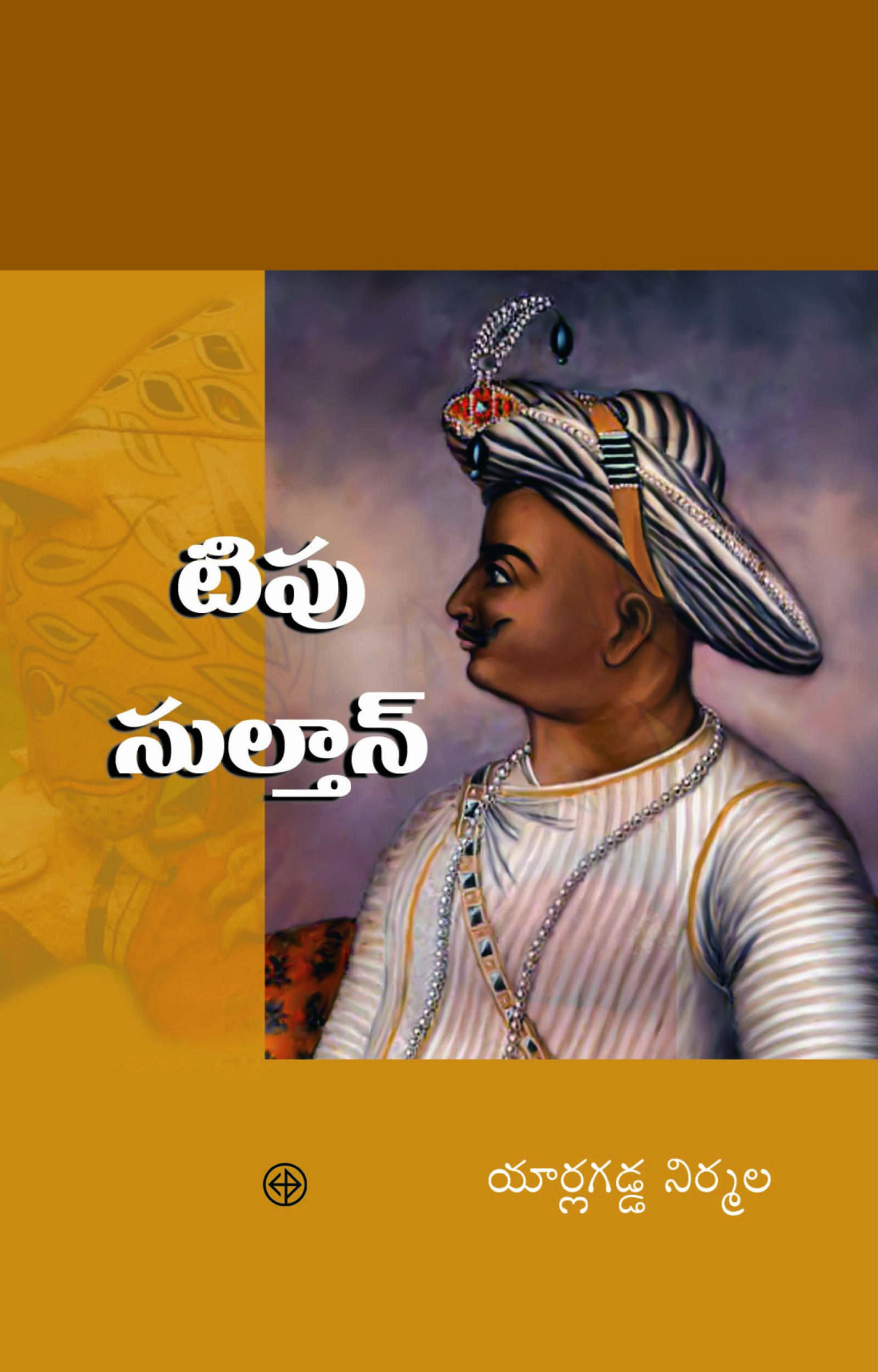
This is both the biography of the Mysore warrior Tipu Sultan as well as the history of an era when all the south Indian princes went over to the colonialists except for Tipu.
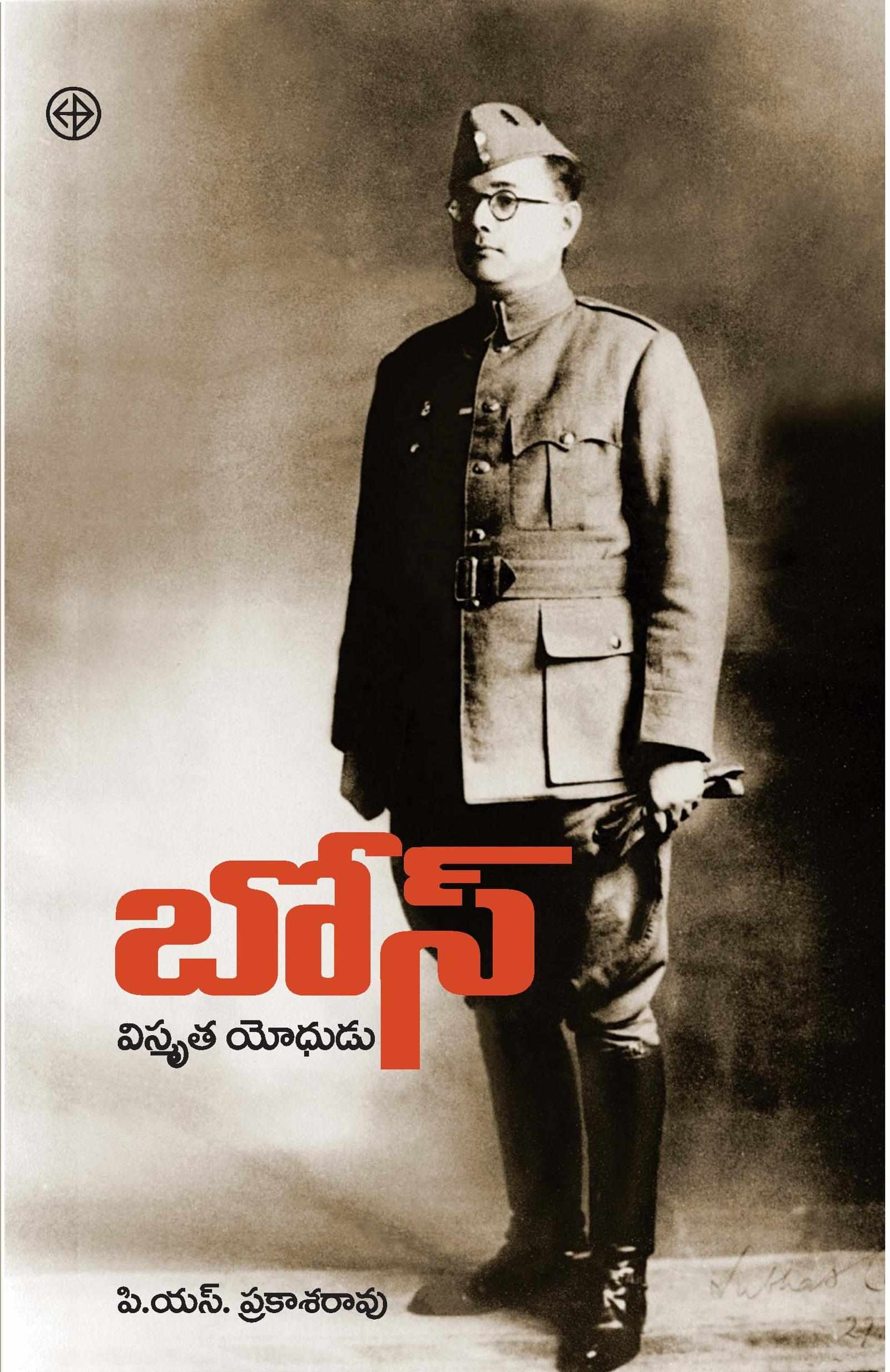
“When we see the resolute determination displayed by leaders like Subhash Chandra Bose, it becomes clear that even if imperialist forces use all their tactics, they cannot suppress the spirit of freedom among citizens.
A heartfelt letter to Hyderabad.